City Clean
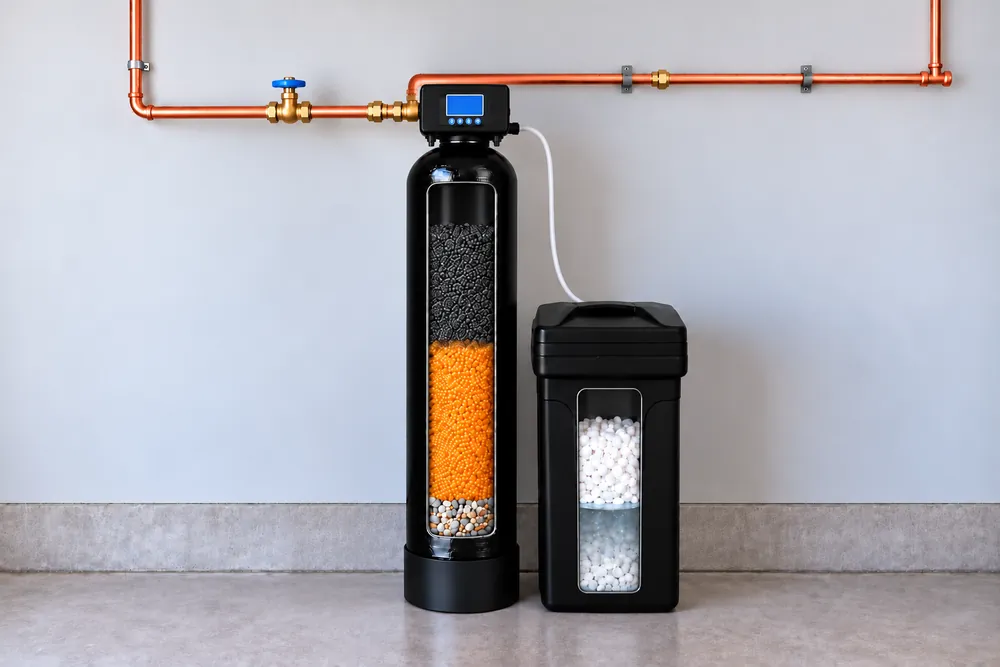
One tank softens hard water and filters out chlorine taste and smell.
- Softener + carbon filter in one tank
- Brine tank
- Install, startup & walkthrough
Hard water · Well & city
Softer laundry, spot-free dishes and a water heater that lasts. Every softener is sized to your water after a free test.
What it helps with
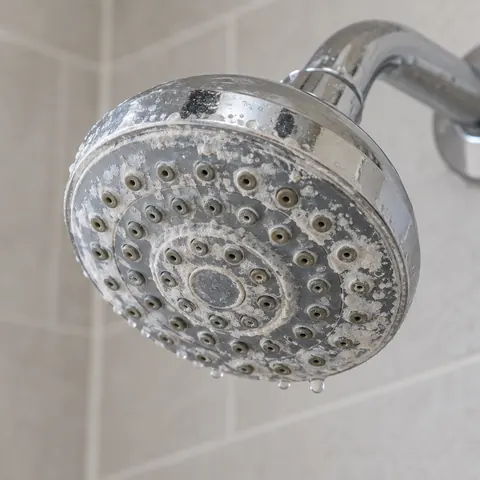
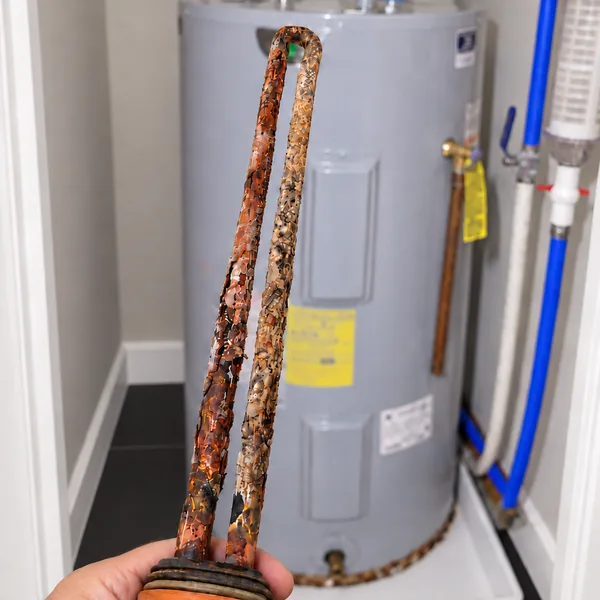
Hard water carries dissolved calcium and magnesium. They leave scale wherever water is heated or dries: inside your water heater, on faucets and showerheads, and on every glass in the dishwasher.
A water softener takes those minerals out before they reach your plumbing. You’ll notice it in the shower first, then in the dishwasher and the laundry.
Signs of hard water
Spots on clean dishes or crusty buildup
Water heater wearing out too soon?Signs of hard water
These are common signs of hard water, but other things can cause them too. A water test tells you for sure.
How it works
Resin tank
Water passes through a tank of resin beads on its way into your home.
Ion exchange
The beads grab calcium and magnesium and release a small amount of sodium in their place.
Automatic
When the beads are full, the softener rinses them with brine from the salt tank, usually overnight, and they’re ready again.
A softener that’s too small runs out of soft water between cleanings. One that’s too big costs more than it should. We size yours using your hardness, your iron level, your household size and how much water you use.
Your options
Every one of our whole-home systems includes a softener.
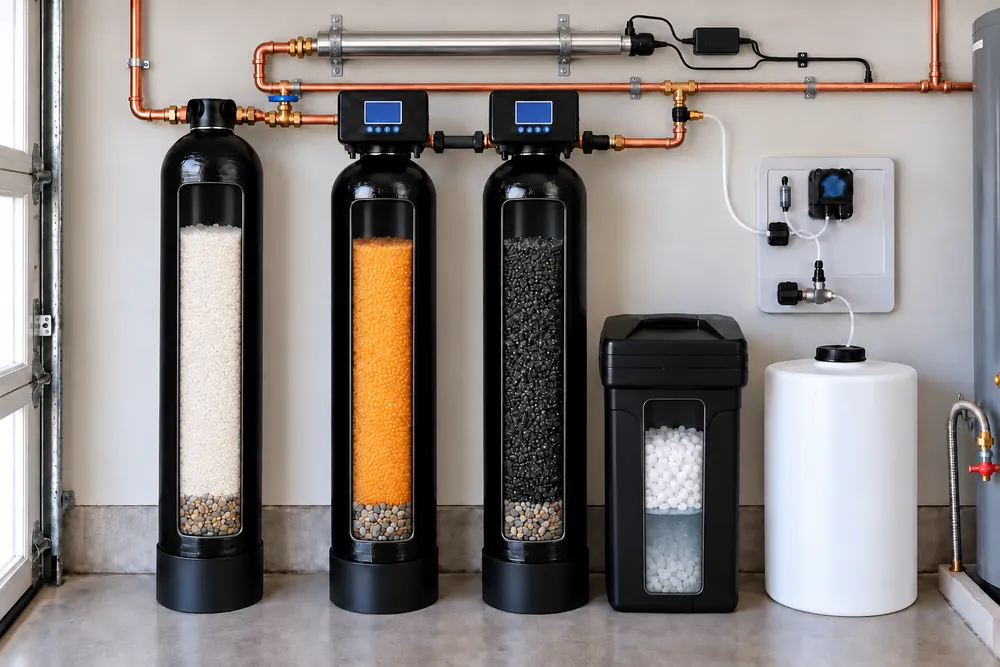
One tank softens hard water and filters out chlorine taste and smell.
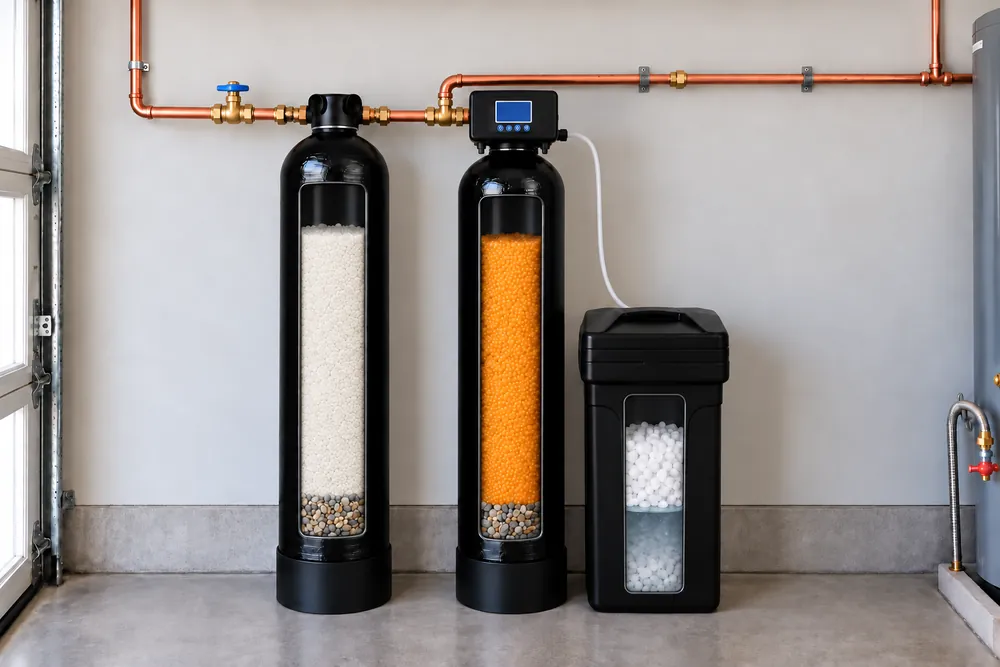
For acidic, hard well water. The acid neutralizer raises pH to protect copper plumbing, then the softener removes the hardness.
For wells with iron, manganese or a rotten-egg smell, on top of acidity and hardness.
The UV unit shown on the pipe above the tanks is an optional add-on for bacteria, recommended only after a certified lab test.
Final equipment selection depends on your water results and household needs.
FAQs
It depends on your water’s hardness and iron, how many people live in your home and how much water you use. We work it out from your free test, so you don’t pay for a softener that’s too big or too small.
Check the salt tank about once a month and top it up before it runs low. How much you use depends on your hardness and your household.
A little, at first. That smooth feeling is soap rinsing off completely instead of leaving a film behind. Most people get used to it quickly.
A salt-based softener removes hardness minerals. Salt-free conditioners change how the minerals behave to reduce scale, but they don’t remove them. We install salt-based softeners.
Yes. A softener adds a small amount of sodium. If you’re watching your sodium, an RO drinking water system filters your drinking water further, or the softener can run on potassium chloride.
Don’t see your question? Call or text (570) 595-4448 or email [email protected].
Free water test
Send us a few details and we’ll reach out within one business day to set a time that works for you.
Service & repair
Tell us what’s going on and we’ll reach out within one business day.
We’ll call or text you within one business day to set up your free water test.
Want to talk sooner? Call or text (570) 595-4448.